STEM Clubs in Schools
STEM Clubs in Schools creates engaging school-based spaces where students can explore science, technology, engineering, and mathematics through practical activities, teamwork, curiosity-driven learning, and consistent participation beyond the traditional classroom routine.
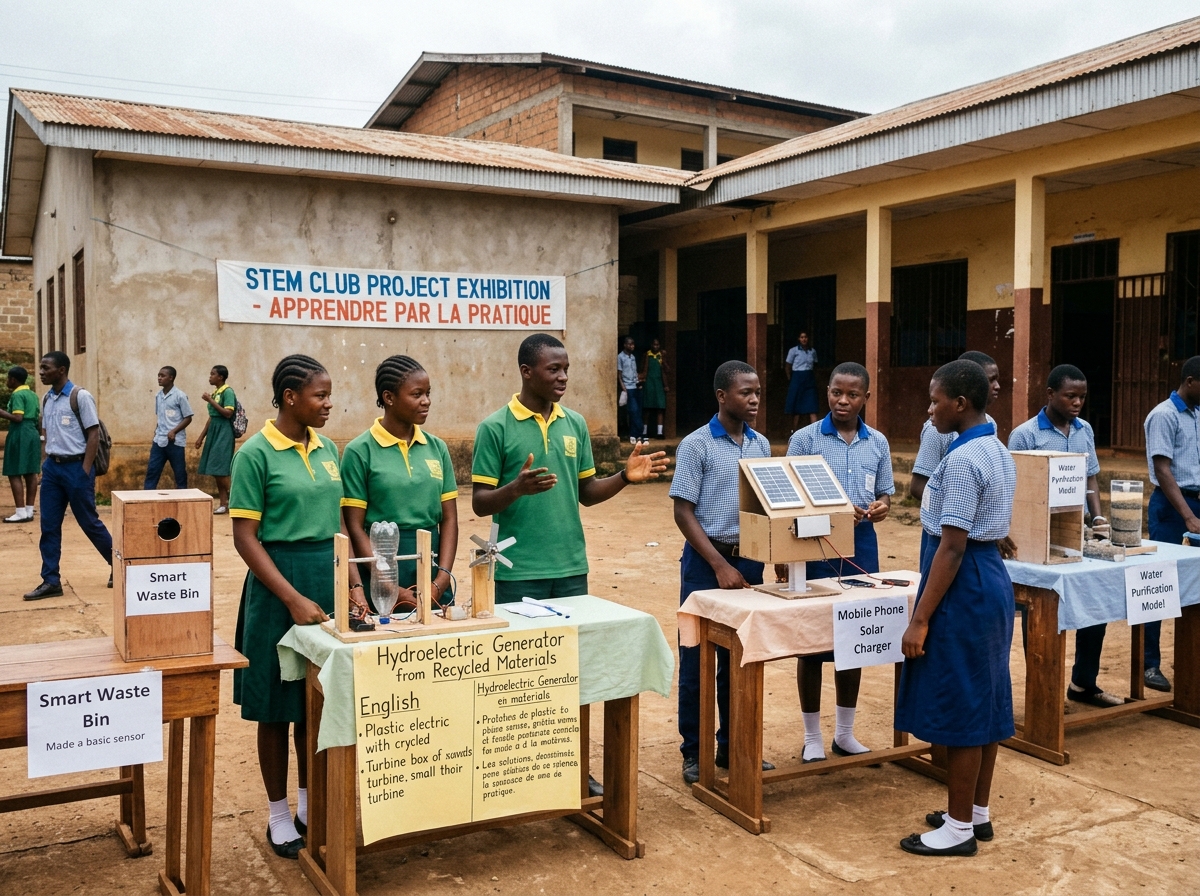
Program Overview
STEM Clubs in Schools was created to change that by establishing structured but engaging extracurricular spaces where students can discover STEM in a more active and meaningful way. These clubs provide a regular environment for learners to experiment, build, discuss, collaborate, and solve problems using practical activities that make STEM more accessible and exciting.
Rather than treating science and technology as distant academic concepts, the program helps students interact with them through school-based projects, mini challenges, group experiments, beginner robotics, coding exposure, creative design tasks, and real-life problem-solving. The club format also encourages consistency, peer learning, leadership, and a sense of belonging among participants.
By making STEM visible, practical, and enjoyable within the school environment, the program helps students build stronger interest, confidence, and long-term engagement in learning.
What We Offer
Regular practical sessions beyond normal classroom teaching
Hands-on science, technology, engineering, and math activities
Beginner-friendly coding, robotics, and innovation exposure
Group projects, mini challenges, and peer collaboration
Student leadership opportunities within club activities
Creative problem-solving exercises linked to real life
A safe and motivating space for exploration and discovery
Expected Outcomes
Greater confidence in practical learning and problem-solving
Improved teamwork, curiosity, and participation in school-based activities
Stronger exposure to coding, robotics, experimentation, and innovation
Better identification of students with strong STEM potential
More inclusive access to engaging STEM opportunities within schools
Students ages 10–18, including primary and secondary school learners with limited access to practical STEM opportunities
Partner schools and underserved communities in Cameroon
Year-round program delivered in recurring school-based sessions during the academic term
Partner primary and secondary schools, community learning spaces, and youth-focused educational environments
Why It Matters
STEM Clubs in Schools helps change that by creating a more welcoming and interactive learning culture. It gives students the chance to participate actively, ask questions freely, work with peers, and develop confidence through doing. It also supports schools by adding structured opportunities for innovation, creativity, and student engagement without requiring highly advanced infrastructure.
Over time, these clubs can help shape stronger academic motivation, broader aspirations, and a more positive relationship between young people and STEM learning.
Core Pillars of Learning
We combine technical rigor with creative freedom to keep students engaged and inspired throughout the program.
Hands-on Coding
From visual blocks to Python, students learn the logic that powers modern software through interactive puzzles.
Robotics Hardware
Students build physical robots, learning about sensors, motors, and the engineering principles of mechanics.
Creative Problem Solving
Weekly challenges encourage students to design unique solutions for real-world scenarios using their new tools.
Who Benefits?
Students
Ages 8-18 who gain technical skills and confidence.
Schools
Local institutions receiving curriculum support and resources.
Teachers
Educators who participate in professional development workshops.
How It Works
Enrollment
Schools or individuals register for a 12-week program cycle.
Guided Learning
Students participate in weekly workshops led by expert mentors.
Capstone Project
Learners present their custom robotic inventions at our Demo Day.
Student Engagement
Graduates
Improved Logic Skills
Partner Schools
Program in Action


Build the Future With Us
Whether you're a corporate partner looking to invest in local talent or an individual donor making a difference, your support keeps our robots moving.